
Cialis: A Complete Guide — What It Is, How It Works, and What to Do
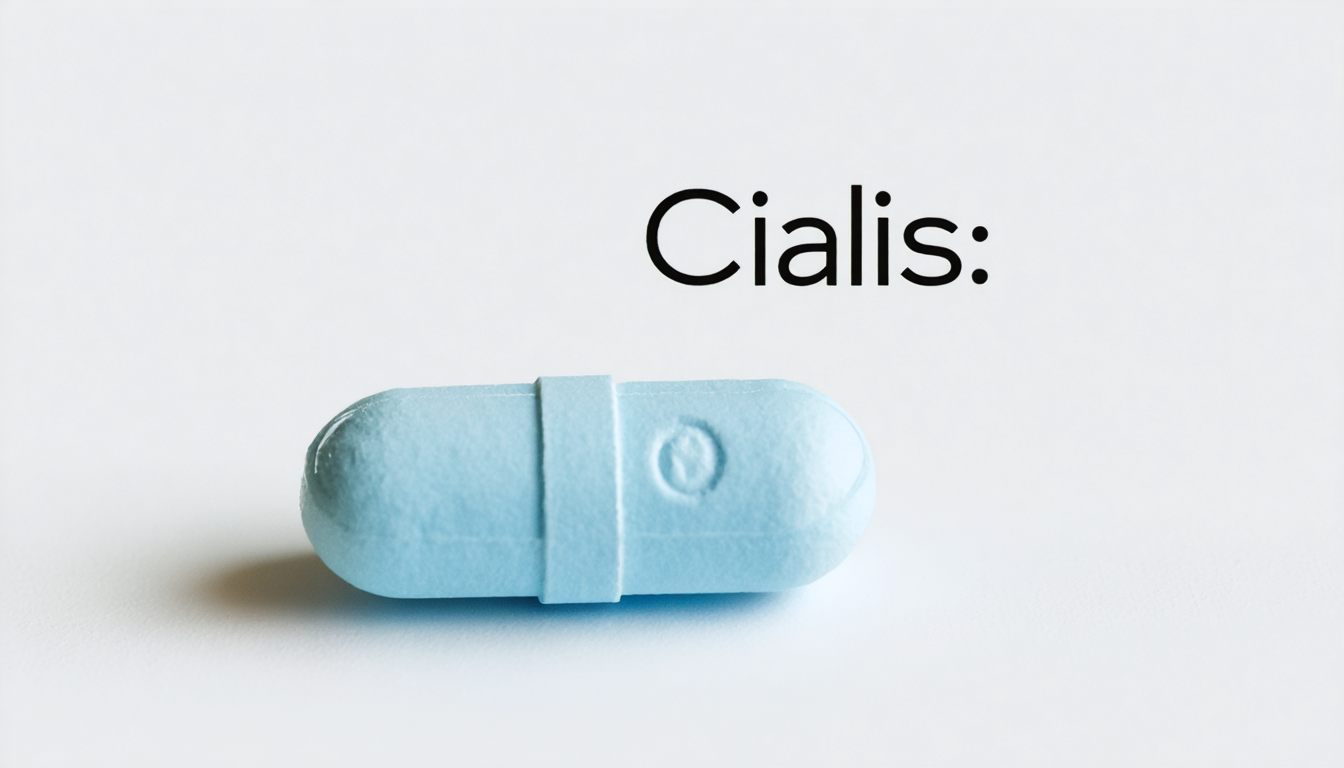
Cialis: what it is and what to do
Disclaimer: this information is educational and not a substitute for a doctor’s consultation. Always speak with a qualified healthcare professional about diagnosis, medications, and treatment decisions.
Quick summary in 30 seconds
- Cialis (tadalafil) is a prescription medication mainly used to treat erectile dysfunction (ED) and sometimes benign prostatic hyperplasia (BPH).
- It improves blood flow by inhibiting the PDE5 enzyme, helping achieve and maintain an erection when sexually stimulated.
- It does not increase sexual desire and does not work without arousal.
- Chest pain, vision loss, or an erection lasting more than 4 hours require urgent medical care.
What is “Cialis” (definition in simple terms)
Cialis is the brand name for tadalafil, a medication from the group of phosphodiesterase type 5 (PDE5) inhibitors. It is primarily prescribed for erectile dysfunction, a condition in which a man has difficulty achieving or maintaining an erection sufficient for sexual activity.
Tadalafil is also approved in many countries for the treatment of benign prostatic hyperplasia (enlarged prostate) and, in specific formulations, pulmonary arterial hypertension. This guide focuses mainly on its use for ED.
Unlike some other ED medications, tadalafil has a longer duration of action—up to 36 hours in many individuals. This has led to it being informally called the “weekend pill.” However, duration and effect vary between individuals.
For broader updates about medications and men’s health, see our latest medical news section.
Causes and risk factors
Cialis itself does not cause erectile dysfunction; rather, it is used to treat it. Understanding ED risk factors helps clarify when this medication may be considered.
Common causes of erectile dysfunction
- Cardiovascular disease (atherosclerosis, hypertension)
- Diabetes mellitus
- Hormonal imbalances (low testosterone)
- Neurological disorders
- Psychological factors (stress, anxiety, depression)
- Medication side effects (certain antidepressants, antihypertensives)
Risk factors
- Smoking
- Obesity and sedentary lifestyle
- Excessive alcohol use
- Age over 40
- Chronic kidney or liver disease
Because ED can be an early sign of cardiovascular disease, doctors often evaluate heart health before prescribing PDE5 inhibitors like tadalafil.
Symptoms and how to distinguish from similar conditions
The main symptom that leads to considering Cialis is:
- Difficulty achieving an erection
- Difficulty maintaining an erection
- Reduced rigidity during sexual activity
How ED differs from other issues
- Low libido: Cialis does not treat lack of sexual desire. Libido issues may be hormonal or psychological.
- Premature ejaculation: This is a different condition involving timing, not erection quality.
- Temporary performance anxiety: Occasional difficulties are common and may not indicate chronic ED.
If erection problems persist for more than a few weeks or occur consistently, medical evaluation is recommended.
Diagnosis (how it is usually confirmed, what tests/examinations are common)
There is no single “Cialis test.” Instead, healthcare professionals diagnose erectile dysfunction through:
- Detailed medical and sexual history
- Physical examination
- Blood tests (glucose, lipids, testosterone)
- Blood pressure measurement
- Occasionally, specialized vascular tests
| Diagnostic method | Purpose | Limitations |
|---|---|---|
| Medical history | Identify risk factors, medication use, psychological components | Relies on patient accuracy and openness |
| Blood tests | Detect diabetes, cholesterol issues, low testosterone | May not reveal psychological causes |
| Penile Doppler ultrasound | Assess blood flow | Not routinely required; specialized setting |
In many cases, ED can be diagnosed based on history and basic lab work alone.
Treatment and approaches (overview of options without prescribing treatment to the reader)
Treatment depends on the underlying cause. Cialis is one option among several.
PDE5 inhibitors
Medications such as tadalafil (Cialis), sildenafil, and others enhance the natural erectile response to sexual stimulation by increasing blood flow to the penis. They require arousal to be effective.
General points:
- Prescription-only in most countries
- Should not be combined with nitrates (used for chest pain)
- Must be taken as directed by a physician
Other approaches
- Lifestyle modifications (weight loss, exercise, smoking cessation)
- Psychological counseling for anxiety or depression
- Hormone therapy (if clinically indicated)
- Vacuum erection devices
- Surgical options (in selected cases)
For evidence-based updates on treatment standards, visit our clinical guidelines overview.
Possible complications and when to see a doctor urgently (red flags)
Most side effects of Cialis are mild and temporary, such as:
- Headache
- Flushing
- Indigestion
- Back pain
- Nasal congestion
Seek urgent medical care if you experience:
- Chest pain during or after sexual activity
- An erection lasting more than 4 hours (priapism)
- Sudden vision or hearing loss
- Severe allergic reaction (rash, swelling, difficulty breathing)
People with significant heart disease should discuss risks carefully with a cardiologist before using PDE5 inhibitors. ED may signal underlying vascular disease—learn more in our cardiovascular risk insights.
Prevention and lifestyle
While medications like tadalafil can help manage symptoms, long-term improvement often depends on addressing underlying health factors.
Evidence-supported lifestyle strategies
- Regular aerobic exercise
- Balanced diet rich in vegetables, fruits, whole grains
- Maintaining healthy body weight
- Quitting smoking
- Limiting alcohol intake
- Managing stress
Improving cardiovascular health frequently improves erectile function as well.
FAQ
1. How long does Cialis last?
Its effects can last up to 36 hours in many individuals, but this varies. It does not cause a continuous erection during that time.
2. Does Cialis increase sexual desire?
No. It improves blood flow but does not increase libido. Sexual stimulation is required.
3. Can women take tadalafil?
Tadalafil is not approved for treating female sexual dysfunction in most regions. Research is ongoing, but evidence remains limited.
4. Is it safe to take with alcohol?
Excessive alcohol may increase side effects such as dizziness or low blood pressure. Discuss alcohol use with your doctor.
5. Can younger men use Cialis?
It may be prescribed to adults with diagnosed ED, regardless of age, if medically appropriate.
6. Is Cialis addictive?
It is not considered physically addictive. However, psychological reliance is possible in some individuals.
7. What if Cialis does not work?
Causes may include incorrect use, insufficient stimulation, underlying health conditions, or psychological factors. Follow up with your healthcare provider for reassessment.
8. Can it be taken daily?
Some treatment plans involve daily low-dose use, but only under medical supervision. Follow the instructions and your doctor.
Sources
- U.S. Food and Drug Administration (FDA): https://www.fda.gov/
- National Institutes of Health (NIH): https://www.nih.gov/
- Mayo Clinic – Erectile dysfunction overview: https://www.mayoclinic.org/
- European Association of Urology (EAU) Guidelines: https://uroweb.org/
Note: This article is based on publicly available medical knowledge. If data is limited or evolving, consult updated clinical guidelines and a licensed healthcare professional for personalized advice.